
Building Trust In Relationships: The Importance Of Honesty And Openness
Build trust in relationships through honesty and openness. Discover how affirmations can strengthen communication, integrity, and connection. The Importance of Honesty and Openness in any relationship.
RELATIONSHIPS
Agape Reflections
1/13/20264 min read
Understanding Trust in Relationships
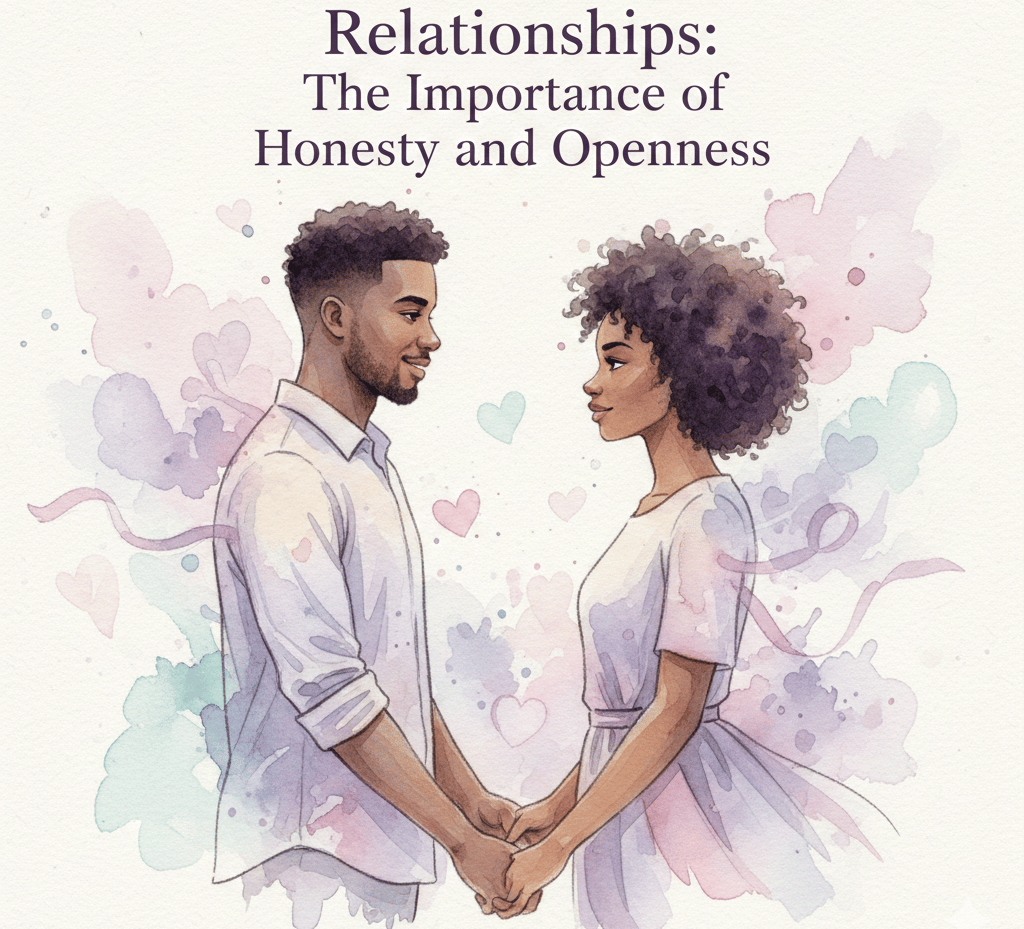
Trust serves as the cornerstone in the foundation of any healthy relationship. It encompasses mutual respect, understanding, and the assurance that each partner values the other's well-being. At its core, trust is a belief in the reliability and integrity of another person. It fosters an environment where both individuals feel secure enough to express their thoughts and emotions candidly.
Honesty and openness are critical components in cultivating and maintaining trust. When partners communicate transparently, they demonstrate respect for one another's feelings and viewpoints. This open dialogue helps in building emotional safety, which is essential for intimacy and connection. Furthermore, the presence of honesty mitigates misunderstandings and conflicts, as both partners are aligned in their expectations and commitments.
Conversely, dishonesty and secrecy can severely damage the trust within a relationship. Deceit often leads to feelings of betrayal, insecurity, and distance. When one partner senses that the other is concealing information or not being truthful, it generates anxiety and doubt, further straining the partnership. Over time, these negative feelings can erode the very fabric of the relationship, leading to emotional isolation and resentment.
The Bible underscores the importance of truthfulness in relationships; Proverbs 12:22 states, "The Lord detests lying lips, but delights in those who tell the truth." This passage emphasizes the significance of honesty not only in spiritual terms but also in building trusting interpersonal connections. It highlights that fostering a culture of transparency and support is paramount for nurturing trust. Thus, both partners must actively work towards being open, honest, and supportive to ensure their relationship can withstand the test of time.
Lying and keeping secrets in a relationship can have profound effects on both partners. These behaviors often create emotional barriers that hinder open communication, ultimately leading to feelings of resentment and withdrawal. Studies have indicated that couples who engage in dishonest behaviors may experience a breakdown in their emotional connection over time. A survey conducted by the American Psychological Association found that 70% of individuals believe dishonesty significantly contributes to relationship dissolution, highlighting the damaging effects of lies and secrets.
The psychological impact of dishonesty is equally alarming. Individuals who tell lies often experience guilt and anxiety, which can manifest as stress in their everyday lives. This burden can create a cycle of avoidance, where the individual becomes more secretive, further straining the relationship. Psychological research indicates that harboring secrets can lead to increased feelings of loneliness and isolation, creating a rift between partners who might otherwise support each other.
From a biblical perspective, the call for honesty is echoed in Ephesians 4:25, which states, "Therefore, having put away falsehood, let each one of you speak the truth with his neighbor, for we are members one of another." This verse underscores the moral imperative of honesty within relationships, emphasizing the foundational role that transparency plays in fostering unity and trust. When partners commit to being truthful, they not only honor each other but reinforce the relationship's integrity.
In conclusion, the cost of lies and secrets is steep and multifaceted. Not only do they erode trust, but they also lead to emotional distress, diminishing the quality of the relationship. Embracing honesty serves as a protective measure against the detrimental effects of dishonesty, paving the way for a healthier, more open partnership.
Practical Tips and Exercises for Cultivating Honesty
To nurture honesty and openness within a relationship, couples can implement several practical strategies and exercises that promote transparent communication. One effective approach is to establish regular check-ins, during which both partners can openly discuss their feelings, concerns, and experiences. This dedicated time allows for the sharing of emotions in a safe environment, thereby enhancing trust and understanding.
Another effective communication technique is the use of "I" statements. By expressing thoughts and feelings starting with "I," individuals can communicate their experiences without sounding accusatory. For example, saying "I feel upset when we don’t talk about our day" rather than "You never tell me about your day" helps to convey feelings without placing blame, making it easier for partners to engage in constructive dialogues.
Additionally, fostering a non-judgmental environment is crucial for encouraging honest conversations. Couples should aim to listen actively and empathetically, enabling both partners to feel secure in sharing their thoughts and feelings without fear of criticism or backlash. This can create a safe space for both individuals to express themselves freely.
Incorporating exercises designed to promote honesty can also be beneficial. For instance, role-playing scenarios can allow couples to practice sharing difficult truths in a controlled setting. This exercise can ease the anxiety associated with honest communication, making it easier to engage in real-life situations. Another effective exercise is vulnerability practices, where partners take turns sharing their fears or insecurities, reinforcing emotional intimacy.
To support these efforts, couples may use affirmations such as "I am worthy of love and truth." Such positive declarations can help reinforce the commitment to honesty within the relationship. By engaging in these practices and exercises, couples can significantly enhance their ability to foster trust through deeper honesty and openness.
Affirmations and Scriptures to Reinforce Honesty
In the quest to build trust in relationships, affirmations can serve as powerful tools for couples seeking to foster an environment of honesty and openness. Affirmations are positive statements that encourage self-belief and connection with one's partner. Incorporating these affirmations into daily practice can reinforce the values of trust and honesty. For instance, couples might consider affirming, "I am committed to being truthful with myself and my partner." This statement emphasizes personal integrity and encourages transparency in discussions.
Another empowering affirmation could be, "Our relationship thrives on open communication and mutual respect." Such declarations not only boost self-worth but also cultivate a spirit of collaboration essential for maintaining trust. When partners actively participate in sharing their thoughts and feelings, they strengthen their emotional bonds, which is vital for long-lasting love and respect.
In addition to affirmations, biblical scriptures provide profound insights into the themes of honesty and trust. A notable verse is 1 Corinthians 13:6, which states, "Love does not delight in evil but rejoices with the truth." This scripture serves as a reminder that honesty is inherently tied to loving relationships. Another relevant verse is Proverbs 12:22, which asserts, "The Lord detests lying lips, but he delights in people who are trustworthy." Reflecting on these scriptures can inspire couples to embrace truthfulness in their interactions, reinforcing a commitment to fidelity and openness.
Couples are encouraged to integrate these affirmations and biblical teachings into their daily conversations and reflections. By doing so, they can create a nurturing atmosphere where honesty flourishes, ultimately leading to a stronger partnership built on trust and mutual understanding.